Today’s tenants are more connected than ever. Working remotely, streaming movies, gaming online, and filling their spaces with smart-home devices all require a fast, reliable internet connection with serious bandwidth.
For multi-dwelling units (MDUs), high-speed internet is no longer just a must-have amenity; it’s the backbone of a modern tenant’s life. But while residents need consistently fast speeds, traditional cable internet wasn’t built for 24/7 performance demands. Fiber internet is.
With fiber, you can seamlessly deliver the modern, connected lifestyle residents expect, and increasingly prefer. 65% of all consumers now say they would prefer fiber if they had a choice, versus 18% for coax (cable)and 17% for all other options.
Let’s break down the core differences between cable and fiber internet, so you can see why it makes the most sense for your property.
The technology
Not all internet connections are built the same. (Literally.) Speed. Reliability. Bandwidth. It all boils down to the technologies’ physical features and data transfer mechanisms.
Cable Internet
Traditional cable internet uses coaxial cables to transmit data via electrical signals. The cables consist of a copper core insulated with aluminum, a copper shield, and an outer plastic layer. It sounds like a lot of protection, and it is, but the cables are still susceptible to damage from extreme cold and severe storms. And electromagnetic interference — disruptions from nearby power sources — can weaken the electrical signals it uses, causing connectivity problems.
Fiber Internet
Instead of relying on coax cables, fiber-optic technology uses small, flexible glass strands to transmit data as light, so data can travel at nearly the speed of light with minimal signal loss. The strands are bundled into fiber-optic cables and protected with layers of plastic, making the technology faster, more resilient, and capable of carrying much more data than coax cables over farther distances.
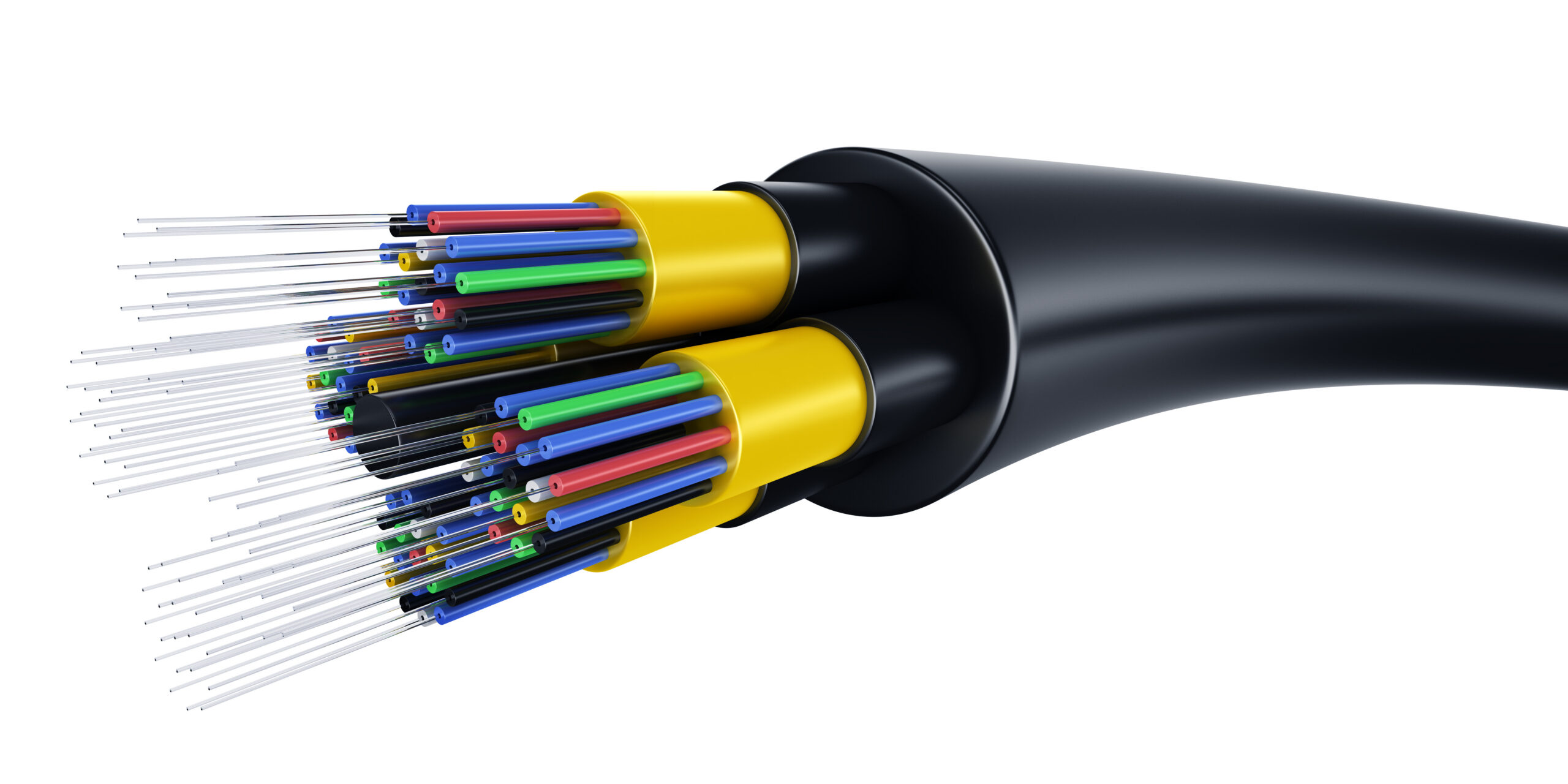
Fiber Optic
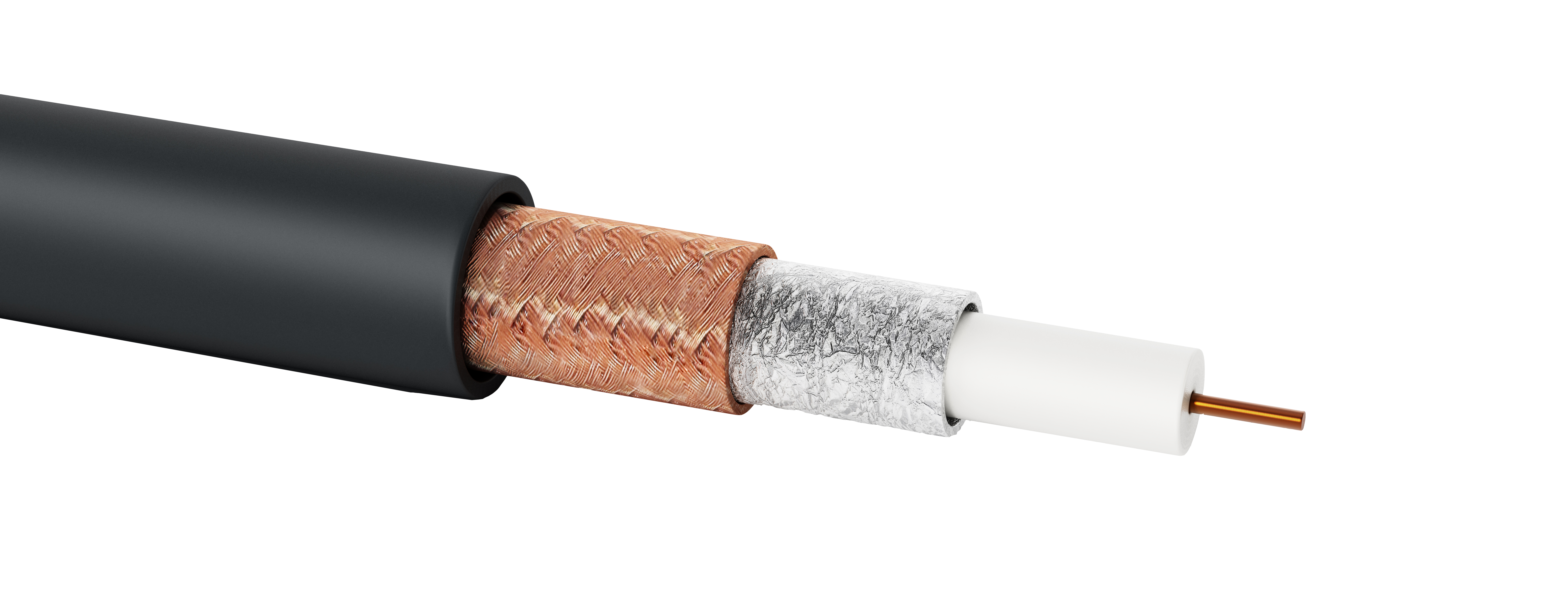
Cable
The tenant experience
While it’s important to understand the fundamental differences in technology between cable and fiber, what really matters is how they impact your tenants’ day-to-day lives.
Consistently faster
Cable internet networks typically offer customers download speeds ranging from 10 Mbps to 200+ Mbps, while residential fiber speeds are significantly higher, typically 250 Mbps to 5,000 Mbps (5 gig).
The difference between the highest cable speed and the lowest fiber speed may not seem like much, but the gap is actually quite wide because with cable, upload speeds can be significantly lower than download speeds. So if your tenant uploads digital files for work or videos to share with friends, it can take considerably longer.
That’s not the case with fiber internet. Providers like Bluepeak offer symmetrical upload and download speeds, so tenants can upload information to the internet as quickly as they can download it, saving time and reducing frustration.
Seamless performance
Beyond its high-speed capabilities, fiber offers ultra-low latency (the time it takes for data to travel). With lower latency, even the heaviest internet users get a more seamless online experience than they would with traditional cable internet. Gamers move faster with less lag time, video callers and streamers enjoy smooth, stable connections, and remote workers are more efficient and productive.
More bandwidth
With cable, tenants share the same coaxial line back to the provider as others in the area, competing for limited bandwidth, leading to bottlenecks and slowdowns during peak usage times.
Because fiber can transmit much more data than cable, your tenants will enjoy consistently high speeds — even with multiple devices connected and when everyone on the property is simultaneously streaming the same hit show in 4K.
The business case
The tenant experience is key to their satisfaction and ultimately, what attracts them to — and keeps them at — your property. And fiber delivers. Along with it? A level of operational efficiency and revenue you can’t achieve with traditional cable internet
Maximize your time
With fiber, your property will experience fewer outages, less interference, and less necessary maintenance compared to cable. You and your staff won’t spend as much time fielding complaints or playing de facto IT roles and can instead focus on managing and growing your portfolio.
Get smarter about connectivity
Fiber can handle a large number of connected devices without performance issues, making it easier for both you and your tenants to integrate modern smart devices like security cameras, locks, thermostats, and more.
And while the ability to seamlessly support smart devices lets you automate more processes, improve security, and enhance operational efficiency, it can also be a competitive advantage and revenue booster. A recent Rently study found that 65% of renters say smart technology makes a rental more appealing, and that same percentage of renters is willing to pay more in monthly rent for smart home features (with 52% saying they would pay over $20 extra per month).
Generate more revenue and value
Even without in-demand smart tech features, simply having fiber internet can improve your bottom line. According to the Fiber Broadband Association, access to fiber broadband increases rental and property values in MDUs by 8% and 2.8%, respectively. And many fiber providers like Bluepeak offer bulk service agreements, transforming connectivity from overhead into a profit center.
Future-proof your success
As tech advances and the demands on your property’s network grow, fiber can scale to meet your tenants’ and property’s needs without expensive retrofitting. Plus, it’s physically more durable than cable, helping you avoid the time and costs associated with maintenance and repairs as the infrastructure ages.
While cable has historically provided a viable high-speed internet option, fiber is the future, especially for MDUs.
Interested in fiber internet for your property?
Bluepeak makes it easy and cost-effective, providing flexible data plans and Wi-Fi solutions for residents, as well as bulk internet options and partnership and revenue opportunities for you.
See how to connect your property with our robust, affordable MDU fiber internet solutions at https://mybluepeak.com/connected-properties/fiber-internet/.