
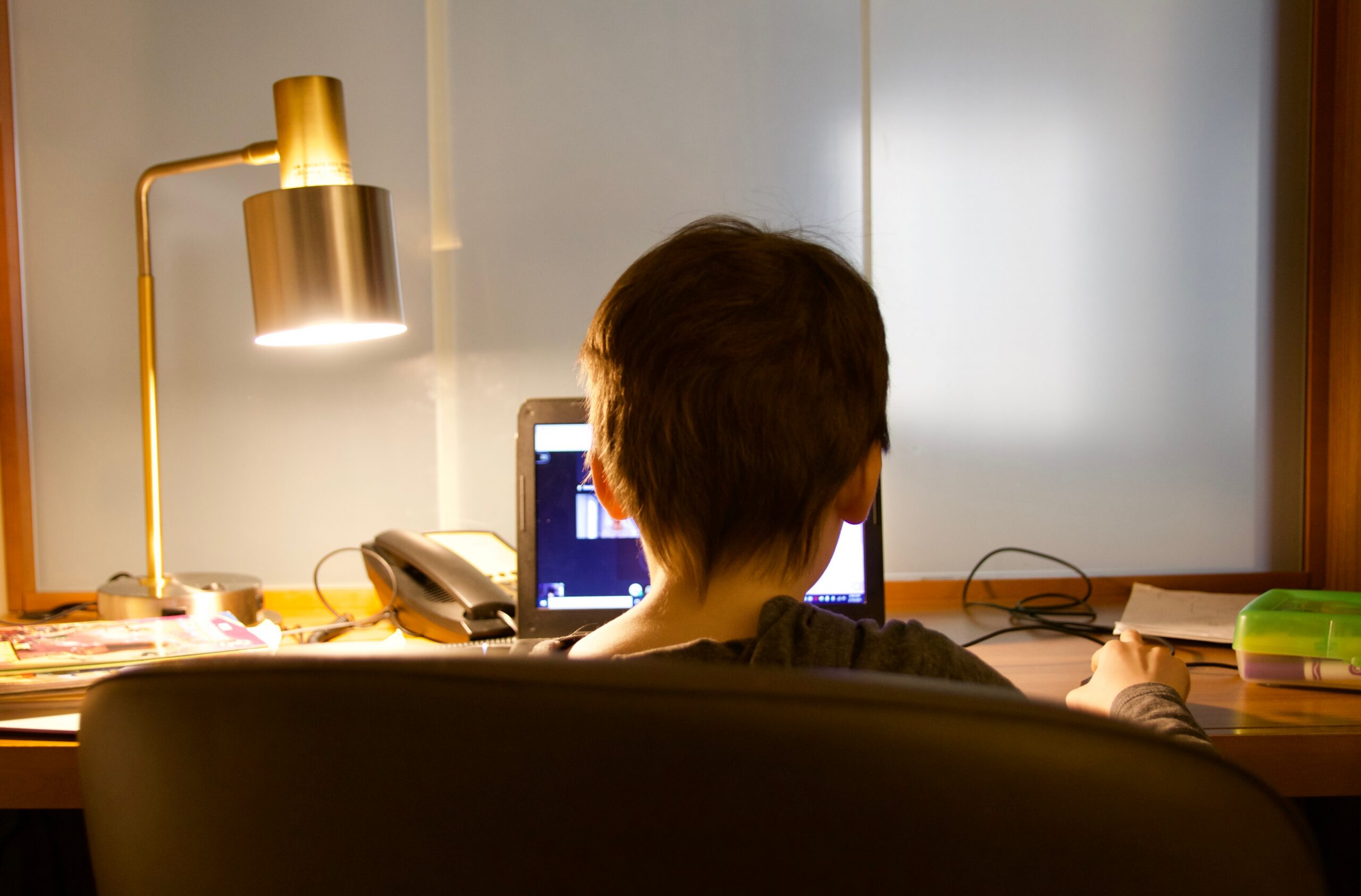
Children spend a large part of their day online. They use the internet for schoolwork, videos, games, and staying in touch with friends. Along with those benefits come real risks, including scams, cyberbullying, inappropriate content, and contact with strangers.
Parents cannot monitor every click, but they can put safeguards in place and teach their children how to make better decisions online. Building strong habits around internet safety for kids starts with a mix of tools, clear expectations, and ongoing conversations.
This guide explains the most common online risks and practical steps you can take to help your child stay safe online.
What Is Internet Safety for Kids?
Internet safety for kids means protecting children from online risks while teaching them how to use the internet responsibly.
These recommendations assume your business regularly uses tools such as:
- Keep personal information private
- Recognize scams and suspicious messages
- Avoid inappropriate content
- Treat others online respectfully
- Online backups
- Ask for help when something feels wrong
In practice, internet safety for kids may involve setting parental controls, limiting screen time, reviewing privacy settings, and having regular conversations about online behavior.
Examples of Common Online Risks for Children
Children can encounter a wide range of risks online, often in places that seem harmless at first.
| Risk | What it May Look Like |
|---|---|
| Cyberbullying | Hurtful messages, exclusion from group chats, or fake accounts |
| Scams | Fake giveaways, phishing links, or requests for passwords |
| Inappropriate content | Violent, sexual, or disturbing videos and images |
| Online predators | Adults pretending to be children |
| Privacy risks | Sharing photos, school names, or locations |
| In-app purchases | Spending money without understanding the cost |
These risks are common. Research consistently shows a majority of children encounter some form of online risk, from bullying to contact with strangers. The Cyberbullying Research Center reports that 58% of students have experienced cyberbullying at some point.
While these numers are concerning, they also show why early guidance matters.
How Do I Keep My Kids Safe Online?
Many parents ask the question, “How do I keep my kids safe online?” Start with three things:
- Set clear rules
- Use parental controls
- Talk regularly with your child about what they’re doing online
A reliable internet connection also helps. Parental control apps, content filters, and device management tools work best when your home network is stable. If several family members are online at once, a dependable connection makes it easier to supervise and adjust settings without interruption.
Bluepeak’s fiber internet gives families the speed and reliability needed to support streaming, schoolwork, gaming, and online safety tools all at the same time.
Parental Controls
Parental controls can help you block inappropriate content, limit screen time, and monitor what your child is doing online. They are especially useful for younger children who need the most guidance.
Bluepeak customers can use the included parental controls available through their eero Wi-Fi system to create profiles for family members, schedule internet access, and pause connections when needed. Families looking for additional protection can add eero Plus, which includes content filtering and advanced security features designed to help block malicious websites, phishing attempts, and other online threats.
Other useful tools include:
Most apps and gaming platforms also include built-in safety settings. For example, you can restrict YouTube content, approve app downloads, block mature games, and require permission before purchases.
Parental controls are helpful, but they are not foolproof. Children may still encounter risks through friends’ devices, school devices, or new apps. Use these tools as a safety net, and not as a substitute for regular conversations.
For more guidance on setting up eero parental controls, explore Bluepeak’s eero parental controls guide.
Device Management
How you manage devices at home can make a big difference.
Here’s a few practical steps:
- Keep younger children’s devices in shared spaces such as the living room or kitchen.
- Set screen time schedules around homework, bedtime, and family time.
- Review apps before they are installed.
- Check app permissions for access to cameras, microphones, and location data.
- Turn on automatic updates to patch security issues.
- Regularly remove apps and games your child no longer uses.
Know the passwords for your child’s devices and accounts, particularly when they are younger. As children get older, you can use discretion to gradually give them more privacy while keeping clear expectations in place.
Communication
The most effective internet safety tool is an ongoing conversation.
Talk with your child about:
- What information should stay private
- How to recognize scams and suspicious messages
- Why they should avoid clicking unknown links
- What to do if someone online makes them uncomfortable
Use real-life examples when possible. If you receive a phishing email or see a questionable ad, show your child why it looks suspicious.
You can also agree on simple household rules, such as:
- Ask before downloading a new app
- Do not chat with people you do not know
- Tell a parent if something online feels upsetting or confusing
Regular, calm conversations help children feel comfortable coming to you when something of concern happens online.
High-Risk Area: Internet Safety in Online Gaming
Online games often include voice chat, text chat, and in-game purchases. These features can expose children to strangers, inappropriate language, and scams.
If you are looking for ways on how to keep kids safe while online gaming, focus on a few practical steps:
- Disable public chat when possible
- Use private lobbies with real-life friends
- Review your child’s friend list
- Require approval for purchases
- Check the game’s age rating
Gaming can be a positive social activity when children understand the boundaries.
High-Risk Area: Internet Safety in Online Gaming
Social media introduces another set of challenges. Children may face peer pressure, harmful content, and contact from people they do not know.
To reduce risk:
- Set accounts to private
- Review follower lists together
- Turn off location sharing
- Discuss what is appropriate to post
- Encourage your child to block and report suspicious accounts
Many of the same principles behind how to stay safe on the internet apply on social media for kids: protect personal information, think before posting, and speak up when something feels wrong.
Help Protect Your Family Online with Bluepeak
Keeping children safe online takes more than installing a few parental controls. It requires clear rules, regular conversations, and ongoing involvement as your child’s online habits evolve.
A reliable internet connection makes that job easier. It supports parental controls, content filters, device monitoring, and the everyday activities your family depends on for school, entertainment, and communication.
Building strong habits around internet safety for kids helps children make smarter decisions online and gives parents greater peace of mind.
Bluepeak’s high-speed fiber internet helps families stay connected while supporting the tools that make online safety easier to manage. Explore Bluepeak’s internet plans to find a fast, dependable connection for your home.