

Bluepeak Fiber vs. Cable Internet


So, Is Fiber Internet Better Than Cable?
Yes, by far. Here’s what makes it better:
- Consistent, reliable download & upload speeds
- Faster, reliable connection for non-stop working, streaming, and gaming
- Supports multiple devices
- Powerful infrastructure and tech keep every corner of your home or business, whether small or multi-site, connected
Where Traditional Cable Internet Falls Short
Fiber vs. Cable Internet: The Bluepeak Difference



Make the Switch to Better Internet
Check Availability
FAQs
Cable vs. fiber internet: what’s the difference?
The difference between fiber internet and cable is how the data is delivered. Fiber uses signals through fiber optic cables for faster, more reliable speeds, while cable internet relies on shared coaxial lines that may slow down during peak hours.
Is switching to fiber worth it?
Yes. It provides better performance, reliability, and long-term value.
Do certain weather conditions, such as rain or cold, affect fiber internet?
Yes, but fiber internet is generally less affected by rain, cold, and severe weather than traditional cable internet. Fiber optic lines are built for more stable and reliable connectivity.
How is fiber installed, and how long does it take?
Fiber internet is installed by connecting your home or business to the fiber network using a fiber-optic cable. Most installations take between 2 and 6 hours.
Do you need a technician to install fiber internet?
Yes, a technician is needed to connect your home or business to the fiber network and properly set up the equipment for a fast and reliable connection.
Do I need a new router if I switch to fiber?
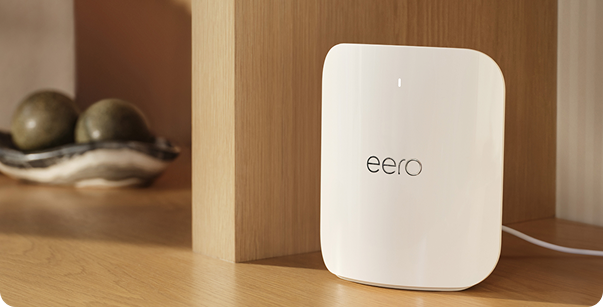
Most likely. Older routers may not support fiber, so upgrading your equipment can improve performance and Wi-Fi coverage. Many providers include compatible routers with their fiber internet plans.