Working with a sluggish internet connection is nothing short of frustrating. Whatever keeps you busy, whether streaming in 4K resolution, gaming online, managing Zoom calls, or running a smart home in the background, requires a connection that is fast and reliable.
Most internet providers offer decent speeds, with plans typically at 300 or 500 megabits per second. But when multiple users and devices start competing for bandwidth, those speeds can quickly vanish into thin air. This is far from the case when you avail yourself of multi-gigabit internet, an emerging alternative that can consistently guarantee top-notch speed of up to 1 gigabit or more per second.
However, this introduces a new question: Is gigabit internet even worth it? Do you really need all that speed?
What Is Gigabit Internet?
Gigabit internet, also known as ultra-high-speed internet, is a service that delivers data at speeds of up to 1 Gbps or 1,000 Mbps. Beyond that are multi-gigabit internet plans, such as 2 Gbps and 5 Gbps options, that push speeds even further.
Now, you may be asking: Is 1 gig internet fast? To put into perspective just how significant this number is, the average internet speed in the United States is just over 274 Mbps. Compared to the speed you’re used to, gigabit internet may just as well be lightning-fast. Now, if you’re one of those users with extreme bandwidth needs, you can easily double or quintuple that speed with multi-gigabit plans.
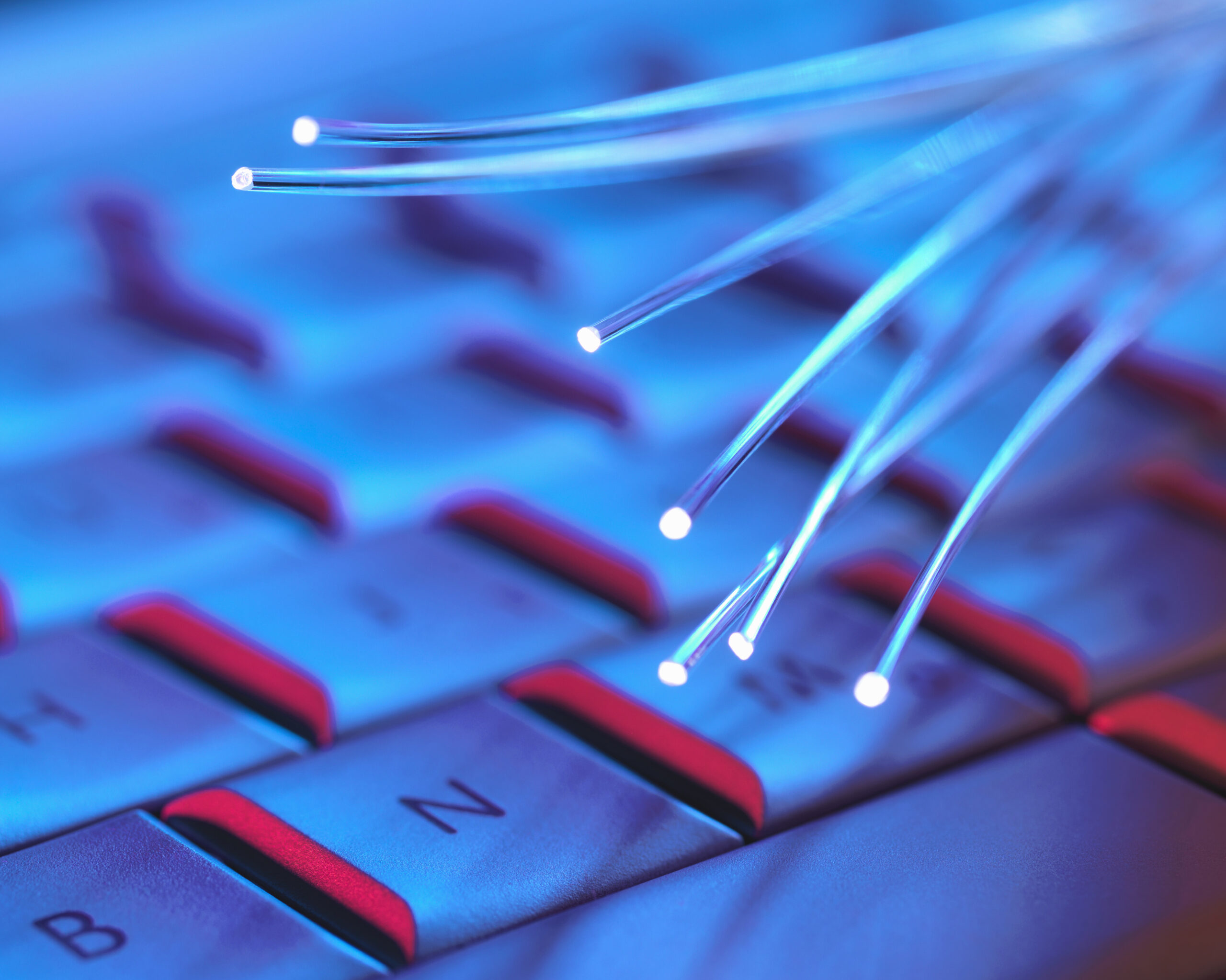
Unlike broadband which relies on copper wiring, gigabit internet typically runs on fiber-optic cables. This setup allows for symmetrical speeds, which means the upload and download speeds match, a dream for remote workers, content creators, and gamers who regularly upload large files or stream high quality video.
With gigabit speeds, any number of users can stay connected, stream content at 4K resolution, and take full advantage of cloud-based applications with no lags or strain in the connection.
Although factors like network congestion and Wi-Fi setup can affect its performance, fiber-powered gigabit internet is far more reliable than your average connection, has low latency, and is built to support high-demand online activities.
If you happen to think that 1 Gbps still won’t be enough for the amount of digital work you do, there are also options for even higher speeds, such as 2 Gbps or 5 Gbps plans. Now, is 2-gig or 5-gig internet worth it? That’s what you’re about to find out.
How to Know If It’s Time to Upgrade to Gigabit Internet
Not everyone needs gigabit internet, but if your household experiences frequent slowdowns or lags despite relying on bandwidth-heavy tasks, then you may be a strong candidate for the many benefits of fiber internet.
Here are some specific scenarios when upgrading to gigabit internet makes sense:
You’re a serious gamer
Is fiber internet better for gaming? While it’s not a necessity since online gaming doesn’t demand massive bandwidth, gigabit internet offers low latency that games require to ensure real-time responsiveness. Using a high-latency connection can result in delays that impact the gameplay, especially with competitive multiplayer games. Gigabit internet, particularly fiber-based plans, minimizes this lag and delivers a smoother experience.
In addition to this, modern games require large downloads and frequent updates. Some AAA titles exceed 100 GB in size, which means that a slow connection can leave you waiting for hours before you can even start playing. With gigabit internet of at least 2 Gbps, you can download massive games in minutes instead of hours.
You stream in 4K (or higher)
If you frequently stream high-resolution content on platforms like Netflix, Disney+, or YouTube, gigabit internet can make sure you experience less buffering. A single 4K stream requires at least 25 Mbps, so households with multiple users streaming simultaneously can easily push the limits of slower plans.
If you’re a content creator, speeds at 5 Gbps may even be more valuable. When you livestream on Twitch and YouTube, your work requires strong upload speeds to maintain high video quality. Using fiber-based gigabit internet prevents stream interruptions and guarantees a crisp, high-definition broadcast your fans will surely love.
You work (or study) from home
A stable internet connection is non-negotiable for remote work or online learning, so gigabit internet may be worth it in these scenarios. Most, if not all, remote workers and students depend on video conferencing platforms like Zoom, Microsoft Teams, and Google Meet for interactive meetings. While a single high-definition video call only requires around 2 Mbps, multiple meetings happening at once (which is inevitable in a household with more than one person working or studying at home) can definitely strain a standard broadband connection.
Gigabit internet also benefits anyone who relies on cloud-based tools like Google Drive, Figma, Adobe Creative Cloud, and even learning management systems such as Canvas and Moodle. When you work at higher speeds, large file transfers and uploads, collaborative editing, and remote server access no longer get interrupted by lags or connection errors, improving everyone’s efficiency.
You have a smart home with multiple users
Smart households with security cameras, thermostats, and other appliances that are Wi-Fi-enabled for remote controls require consistent bandwidth. And although individual devices don’t use much data, maintaining a fully automated home can be quite a burden for slower connections. So, is gigabit internet worth it? Maybe!
Upgrading to gigabit internet helps ensure that all of your smart devices stay connected without interfering with other digital activities such as streaming or gaming. Gigabit internet also improves the response times for voice assistants like Alexa and Google Home, so you no longer have to worry about delays with smart commands.
Is Gigabit Internet Worth It?
Deciding if gigabit internet is worth the cost depends on how often and how extensively you use the internet, as well as how many people and devices make use of the same internet connection.
For those who only lightly use data primarily to browse the web, check emails, or stream on a single device, a mid-tier plan is usually enough. However, internet power users, such as remote workers, content creators, gamers, and even large households, will experience greater benefits from a speed upgrade. So, gigabit internet may be worth it for those households.
One of the biggest advantages gigabit internet offers is future-proofing. As smart homes, cloud-based work, and ultra-HD streaming become more commonplace in our digital-first society, demands for faster internet speeds will continue to grow. A gigabit connection guarantees that your network remains fast and efficient, even as your bandwidth-heavy needs increase.
Don’t Let Slow Internet Hold You Back — Upgrade to Bluepeak Fiber Internet
The world now moves at the speed of the internet, don’t be stuck buffering while everyone else is speeding ahead.
Is gigabit internet worth considering? No matter what purpose it serves you, switching to ultra-fast fiber internet can improve the way you work, learn, play, and live.
With Bluepeak Fiber Internet, you can enjoy blazing-fast speeds, equal upload and download performance, and zero data caps, all at an affordable price. No more dropped Zoom calls, endless loading screens, or slow file uploads. Choose from Bluepeak’s three tiers: 1 Gbps for multi-user basic usage, 2 Gbps for gaming and heavy internet usage, and 5 Gbps for ultra-connected households and HD streaming.
Learn more about our plans to find the best fit for your lifestyle. If you’re ready to upgrade to seamless, high-speed connectivity, contact our team to check if Bluepeak Fiber Internet is available in your area and schedule your installation.
© Bluepeak, all rights reserved.
References:
https://www.speedtest.net/global-index/united-states#fixed
https://www.highspeedinternet.com/resources/whats-the-difference-between-mbps-and-gbps
https://allaboutcookies.org/how-fast-is-gigabit-internet
https://www.astound.com/learn/internet/what-is-1-gig-internet/#cta-number1
https://www.gatewayfiber.com/blog/how-much-internet-speed-do-you-need-for-a-smart-home
https://www.servers.com/news/blog/why-latency-and-ping-in-gaming-are-crucial-to-player-experience
https://www.tomsguide.com/us/internet-speed-what-you-need,news-24289.html
https://www.speedtest.net/global-index/united-states#fixed
https://www.highspeedinternet.com/resources/whats-the-difference-between-mbps-and-gbps
https://allaboutcookies.org/how-fast-is-gigabit-internet
https://www.astound.com/learn/internet/what-is-1-gig-internet/#cta-number1
https://www.gatewayfiber.com/blog/how-much-internet-speed-do-you-need-for-a-smart-home
https://www.servers.com/news/blog/why-latency-and-ping-in-gaming-are-crucial-to-player-experience
https://www.tomsguide.com/us/internet-speed-what-you-need,news-24289.html